Repair or Replace? The Six Signs That Actually Decide It
The signs that actually point toward a new roof, not just another patch.
September 7, 2026 · 3 min read
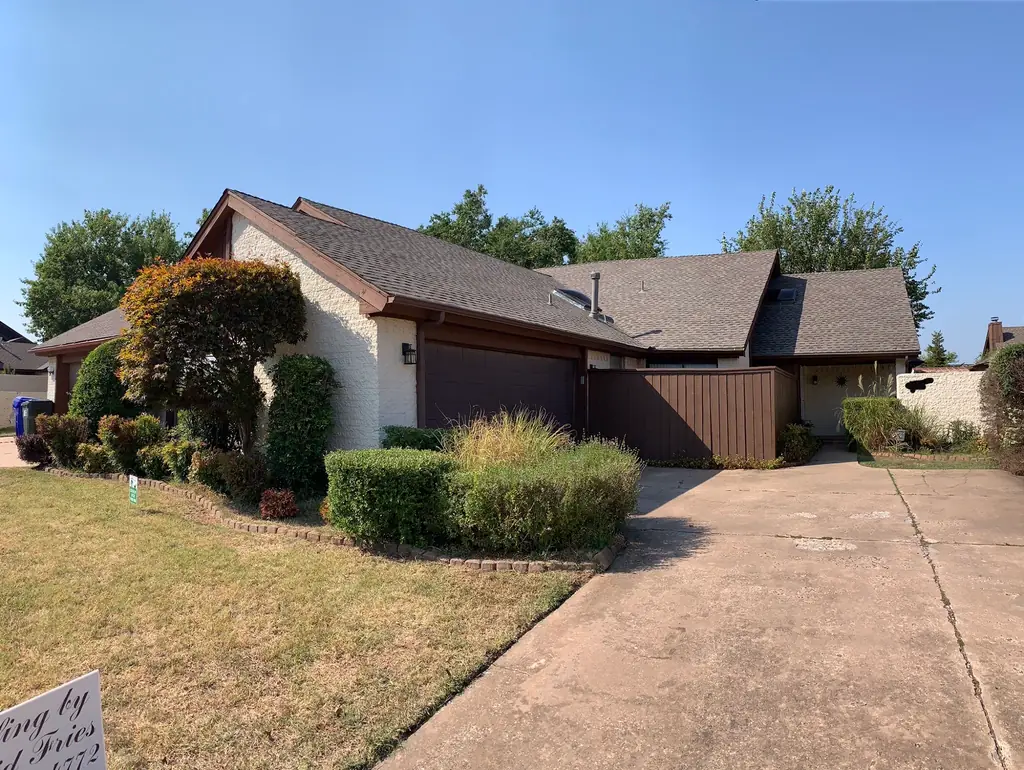
Every homeowner with an older roof eventually asks the same question: is this worth fixing, or is it time for a whole new roof? There's no single answer that fits every house, but there are specific, physical signs that tend to settle the question one way or the other. Here's what actually points toward replacement rather than another round of patching.
Damaged or missing shingles, especially spread across the roof
One or two damaged shingles in a small area is usually a repair. A scattering of missing, cracked, or curling shingles across multiple slopes is a different story. It tells you the whole roof covering is aging out at roughly the same rate, which means fixing today's obvious spot just buys time until the next spot shows up a few months later. At some point the cost of chasing individual repairs across an aging roof adds up to more than a single replacement would have.
Light coming through the roof deck
If you're in the attic and you can see daylight coming through anywhere in the decking, that's not a small problem. It means there's a gap in the roof's actual structure, not just the shingles on top of it, and it's letting in more than light. Wind driven rain, dust, and pests all follow the same path the light does. This is one of the clearer signs that patching the surface won't fix what's actually wrong underneath.
A drooping or sagging roof deck
A roofline should be straight. If you stand back and look down a slope and see a dip, a wave, or a low spot that shouldn't be there, the decking or the framing underneath has likely taken on moisture, rot, or structural stress over time. This isn't something a shingle repair addresses, because the shingles aren't the problem, the surface they're sitting on is.
Shingle granules collecting in the gutters
- A little granule buildup every year is normal wear
- A heavy, sudden increase, especially without a recent storm, usually means the shingles are past their protective life
- Bald patches on the shingles themselves, visible from the ground or a photo taken with a phone's zoom, back up what the gutters are telling you
Water stains on ceilings or walls
By the time a stain shows up inside the house, water has already been getting through for a while, often longer than the size of the stain would suggest. A single small stain after one bad storm might be an isolated repair. Recurring stains, stains that reappear after being painted over, or stains in more than one room usually mean the roof covering as a whole has stopped keeping water out, not just one flashing point.
Energy bills that keep climbing without an obvious reason
A roof that's lost its granule coating, has failing ventilation, or has gaps in the decking stops doing its job as a barrier between the Oklahoma weather and your attic. That shows up as a furnace or air conditioner working harder than it used to, for no reason you can point to elsewhere. It's the least obvious sign on this list because most people never connect a power bill to their roof, but it's often the earliest one to appear.
It also helps to think about how these signs interact with the roof's age. A ten year old roof with one or two of these signs is often still a good repair candidate, since most of the roof still has useful life left in it. A twenty five year old roof showing the same signs is a different calculation, because the same wear that produced the visible problem has been happening across the whole roof at the same pace, whether it shows yet in every spot or not. Age alone isn't a reason to replace a roof that's otherwise sound, but it does change how much weight each of these signs should carry when you're deciding what to do next.
None of these signs alone is an automatic verdict, and a roof that shows one of them might still be a straightforward repair. What matters is looking at how many of these are present at once and how widespread they are. A roof with one bad shingle and a clean attic is a repair. A roof with granule loss, a stain in two rooms, and a soft spot underfoot is telling you something bigger. An honest inspection, not a guess from the driveway, is what separates the two.
David Fries Roofing LLC — (405) 360-4772
Call (405) 360-4772More articles
How to Tell If That Hailstorm Actually Damaged Your Roof
Not every hailstorm leaves damage you can see from the driveway, and that's exactly the problem.
What Actually Happens During a Roof Inspection
Most homeowners have never watched a full roof inspection happen, so here's exactly what one covers.