Working With Your Insurance Company After Storm Damage
A contractor who's done this before can make the claims process a lot less confusing, within limits worth knowing up front.
September 7, 2026 · 4 min read
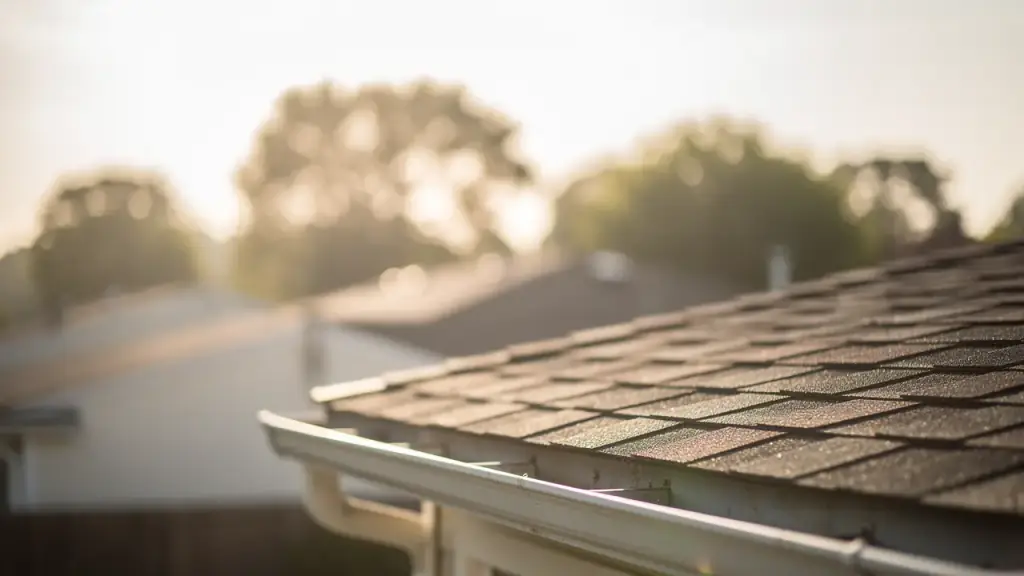
Filing a homeowners insurance claim after a storm is unfamiliar territory for most people, understandably, since most people only do it once every several years, if that. A roofing contractor who's been through the process many times over can make it a lot less confusing, but it helps to know exactly where that help starts and where it stops.
What a roofer can actually do
A contractor who's dealt with storm claims before can document the damage in the way an insurance company actually needs to see it: dated photos of the specific damage, a written scope of what needs repair or replacement, and a clear explanation of what caused it, hail, wind, a fallen limb, rather than general wear. David Fries Roofing works directly with insurance companies on storm claims and has simplified that process for Norman homeowners for a long time, mostly by knowing what an adjuster is looking for and making sure it's on paper before the adjuster ever shows up.
What a roofer can't do, and shouldn't promise
A roofer isn't your insurance company and doesn't decide what your policy pays. Nobody outside your insurer can guarantee a claim will be approved, guarantee a specific payout, or promise your premium will go down. Any contractor who tells you exactly what your insurance will cover before an adjuster has even looked at the roof is guessing, not informing you. What a good contractor can do is make sure the damage is documented honestly and completely, so the decision your insurer makes is based on the real condition of your roof rather than an incomplete picture.
The documentation that actually helps your claim
- Dated, close up photos of the specific damage, not just wide shots of the roof
- A written inspection report describing what was found, where, and how it's consistent with storm damage
- A scope of work and estimate broken down by task, not a single lump number
- Photos of any related damage, gutters, downspouts, siding, since adjusters look at the whole picture, not just the roof
Meeting the adjuster
Many homeowners never meet their own insurance adjuster in person, or meet them for the first time standing in their own front yard. Having the contractor who did the inspection present, or at least available by phone, when the adjuster looks at the roof means there's someone there who already knows exactly where the damage is and can point to it directly, rather than the adjuster working from a homeowner's best guess of where the trouble spots are. It doesn't guarantee an outcome. It does mean the adjuster is looking at the same things the roofer already found.
Timing matters more than most people assume
Most policies have a window for filing a claim after a storm, and insurance companies pay closer attention to claims filed soon after an event than ones filed months later, when it's harder to tie the damage to a specific date and storm. Getting an inspection done while the hail marks are fresh and the storm is a matter of public record isn't just about catching problems early, it also puts you in a stronger position with the paperwork itself.
What happens after the claim is approved
Once a claim is approved, the insurance company typically issues payment based on the approved scope of work, sometimes in two parts, an initial payment and a final payment released after the work is finished and inspected. A roofer working from that same approved scope can schedule the work without needing to renegotiate what's covered, since the documentation from earlier in the process is what set the terms everyone is now working from. This is one more reason the paperwork done at the start matters as much as it does. It's not a formality, it's what everything downstream depends on.
It's also worth keeping your own copies of every photo, report, and estimate connected to the claim, separate from whatever the contractor or the insurance company keeps on file. Claims can take longer than expected, adjusters change, and having your own paper trail means you're never depending entirely on someone else's records if a question comes up months later. It costs nothing and it's the kind of thing that only matters on the rare claim where it actually gets used.
The honest version of this is simple: a roofer can't make your insurance company do anything, but a roofer who's done this many times before can make sure your claim is built on solid documentation instead of guesswork. That's the difference between a claims process that drags on for months and one that gets resolved in a reasonable amount of time.
David Fries Roofing LLC — (405) 360-4772
Call (405) 360-4772More articles
How to Tell If That Hailstorm Actually Damaged Your Roof
Not every hailstorm leaves damage you can see from the driveway, and that's exactly the problem.
What Actually Happens During a Roof Inspection
Most homeowners have never watched a full roof inspection happen, so here's exactly what one covers.