Why Roofs Leak Where They Leak: Valleys, Flashing, and Pipe Boots
Know where two roof materials meet, and you know where to look first when something goes wrong.
September 7, 2026 · 3 min read
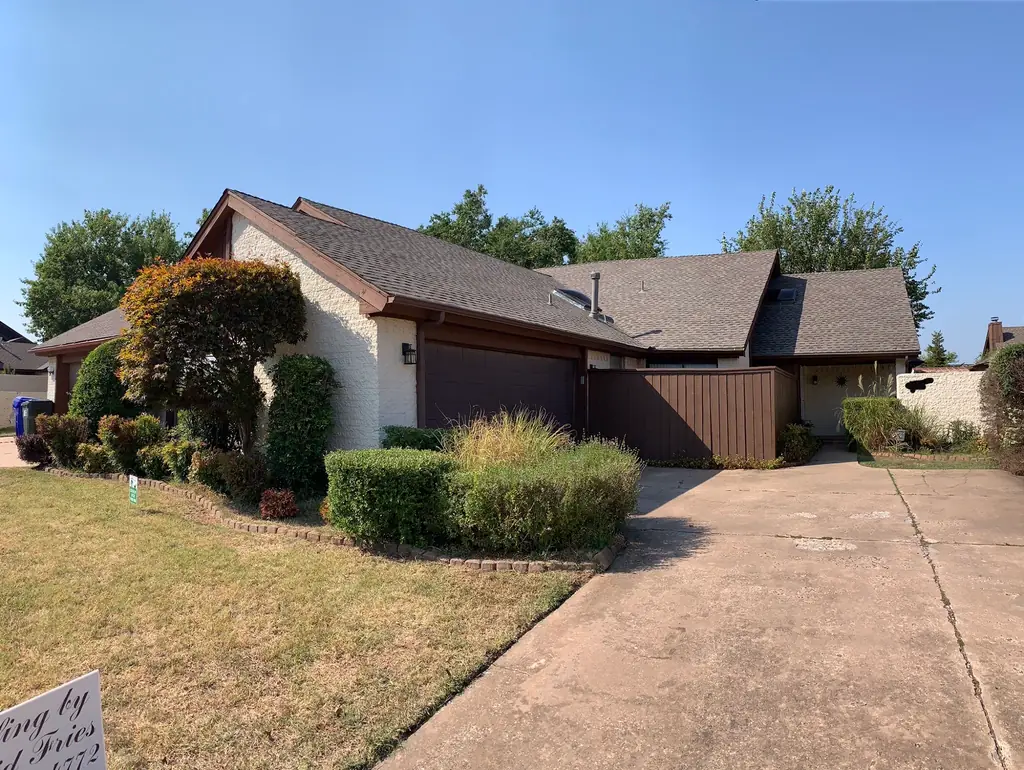
A roof leak almost never happens in the middle of a plain, open slope of shingles. It happens at a joint, a seam, or a place where two different roof surfaces or materials meet. If you know where to look, most leaks make a lot more sense.
Valleys: where two roof slopes meet, and where the most water runs
A valley is the V shaped line where two roof slopes come together, and it carries far more water than any other part of the roof, since it's collecting runoff from two directions at once instead of one. That makes it one of the highest wear spots on any roof. Valleys are usually lined with their own layer of material underneath the shingles specifically because a standard shingle overlap isn't built to handle that volume of moving water on its own. When a valley leaks, it's often because that underlayer has aged, been punctured by debris, or wasn't sealed correctly where it meets the shingles on either side.
Chimney flashing: metal doing a job shingles can't
Anywhere a chimney comes up through the roof, you've got a hard, rigid, non flexing object sitting inside a covering made of flexible shingles, and that mismatch is exactly why flashing exists. Flashing is the metal that bridges the gap between the chimney and the roof surface, and it relies on a tight seal, both where it meets the masonry and where it tucks under the shingles above it. Masonry chimneys expand and contract with temperature differently than the roof around them, which over years can work a seal loose even if nothing was ever installed wrong. Chimney flashing repair is one of the more common calls simply because that constant, slow movement never really stops.
Pipe boots: small, rubber, and easy to overlook
Every plumbing vent pipe that comes up through the roof gets a boot, a rubber or plastic collar that seals around the pipe where it passes through the shingles. It's a small part doing a big job, and it's usually the first thing to fail on an otherwise sound roof, because rubber breaks down under constant sun exposure faster than the shingles around it do. A cracked or shrunk pipe boot doesn't look like much from the ground, sometimes not even from a ladder, but it's one of the most common sources of a slow leak that shows up as a stain nowhere near where anyone would think to look first.
The eave line: where water leaves the roof, or doesn't
The eave is the lowest edge of the roof, where water finally runs off into the gutter. It's also where ice and debris build up first, and where a clogged gutter can back water up underneath the shingle edge instead of letting it drop clear. A gutter packed with granules, leaves, or debris doesn't just look neglected, it can actively cause a leak at the eave that would never have happened with a clear gutter. This is part of why gutter and downspout condition gets checked as part of a real roof inspection, not treated as a separate, unrelated issue.
- Valleys: highest water volume, most exposure to debris
- Chimney flashing: constant expansion and contraction against a rigid structure
- Pipe boots: rubber that degrades faster than the shingles around it
- Eave line: where a clogged gutter turns into a leak that looks like it came from somewhere else entirely
None of these are exotic problems. They're the ordinary wear points on every roof, on every style of house, in every neighborhood in Norman. Pipe boots crack because rubber ages, not because of a manufacturing defect. Chimney flashing loosens because masonry and shingles expand at different rates, not because it was installed carelessly. Understanding that takes some of the mystery out of a leak, and it's also why the same few spots get checked, and sometimes need attention, on almost every roof that's been up for more than a decade.
The pattern underneath all four of these is the same: leaks happen where materials meet, move, or age at different rates, not out in the open field of a roof slope. Knowing that doesn't fix a leak by itself, but it does mean that when something does show up on a ceiling, there's usually a short list of likely places to start looking, and a roof that's been checked at those specific points is a roof that's a lot less likely to surprise you.
David Fries Roofing LLC — (405) 360-4772
Call (405) 360-4772More articles
How to Tell If That Hailstorm Actually Damaged Your Roof
Not every hailstorm leaves damage you can see from the driveway, and that's exactly the problem.
What Actually Happens During a Roof Inspection
Most homeowners have never watched a full roof inspection happen, so here's exactly what one covers.